Sports Massage · Mobility · Healthy Ageing
More Than a Spa Day: Why Sports Massage Can Be Longevity Work
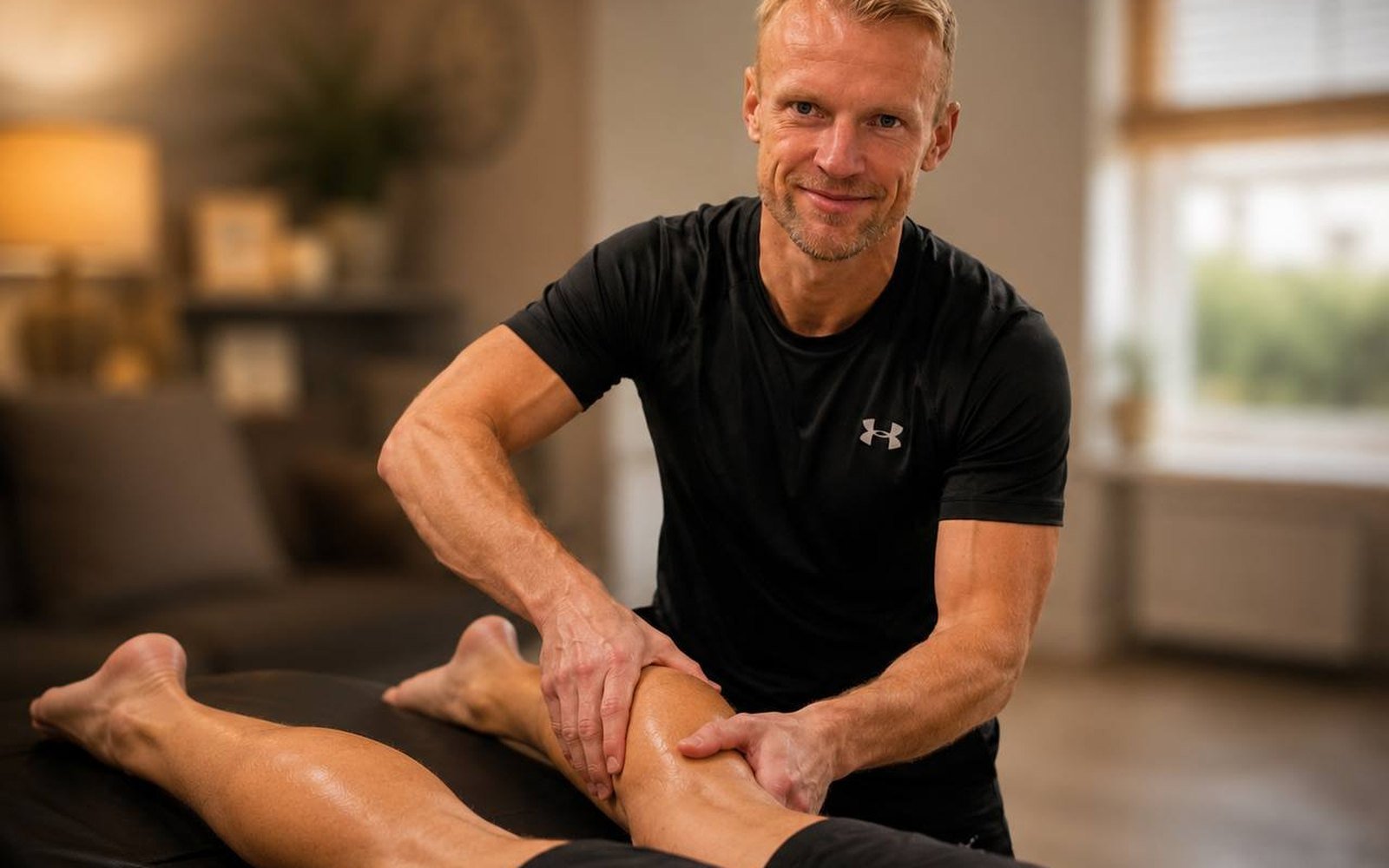
Sports massage is not just for runners chasing PBs. Used properly, it can help older adults, desk workers, gym-goers and manual workers protect the basic stuff that keeps life moving: ankles, calves, hips, balance and confidence on your feet.
Quick answer
Sports massage can support longevity by helping people maintain comfortable movement, reduce soft-tissue stiffness, encourage recovery and improve confidence in everyday tasks. The big win is not pampering. It is keeping ankles, calves, hips and backs working well enough that walking, stairs, standing from a chair and exercise remain normal parts of life.
Sports massage is not a runner-only thing
Aging is inevitable. Losing useful movement is not always inevitable. The problem is that many of the early warning signs are boring, quiet and easy to ignore: ankles getting stiffer, calves feeling tighter, standing up from a chair taking a little more effort, or feeling less steady on uneven ground.
That matters for runners, obviously. But it also matters for people who sit at a desk, drive for work, lift in the gym, work on the tools, garden, walk the dog or simply want to keep moving confidently as they get older.
The phrase sports massage makes it sound like you need a race number and a Strava account before booking. You do not. In a good clinic, “sports” simply means the treatment is purposeful: assessment, pressure matched to the person, attention to movement, and a plan for what you want your body to do afterwards.
1. Your ankle flexibility is a fall-prevention secret weapon
Balance is not just about “having a strong core”. A lot of it starts much lower down. Your ankles constantly make tiny corrections when you walk, stand, turn, climb stairs or recover from a stumble. If the ankle does not move well, the body has to borrow movement from the knees, hips and back.
The research Martin referenced — a 2025 paper by Mun and Han in Clinical Human Movement — highlights ankle dorsiflexion and plantarflexion as important pieces in balance and lower-limb function. In plain English: the ability to bring the toes up and point them down matters more than most people think.
Sports massage can help by reducing unnecessary tension in the calf complex and surrounding soft tissue. Techniques such as stroking, friction, rhythmic pressure and vibration are not magic. They are mechanical inputs that can help stiff tissues relax, improve tolerance to movement and make ankle range easier to access.
“Treating the ankles and calves is not just a runner recovery trick. It is a movement-maintenance strategy.”
2. It is not just relaxing — it can downshift the nervous system
Most people think of massage as a local treatment: tight calf, sore back, stiff neck. That is part of it. But the nervous system is also listening.
Massage has been associated in research with lower stress markers and changes in immune-related measures after treatment. For a practical client, the takeaway is simpler: good bodywork can help the body move away from the “braced all day” state and into a calmer recovery state.
That does not mean turning the body into jelly. The goal is not to switch muscles off. It is to reduce excessive guarding so the body can move freely but still produce force when needed — standing up, catching yourself on a kerb, climbing the stairs or getting back to exercise.
3. Can sports massage actually help you move better?
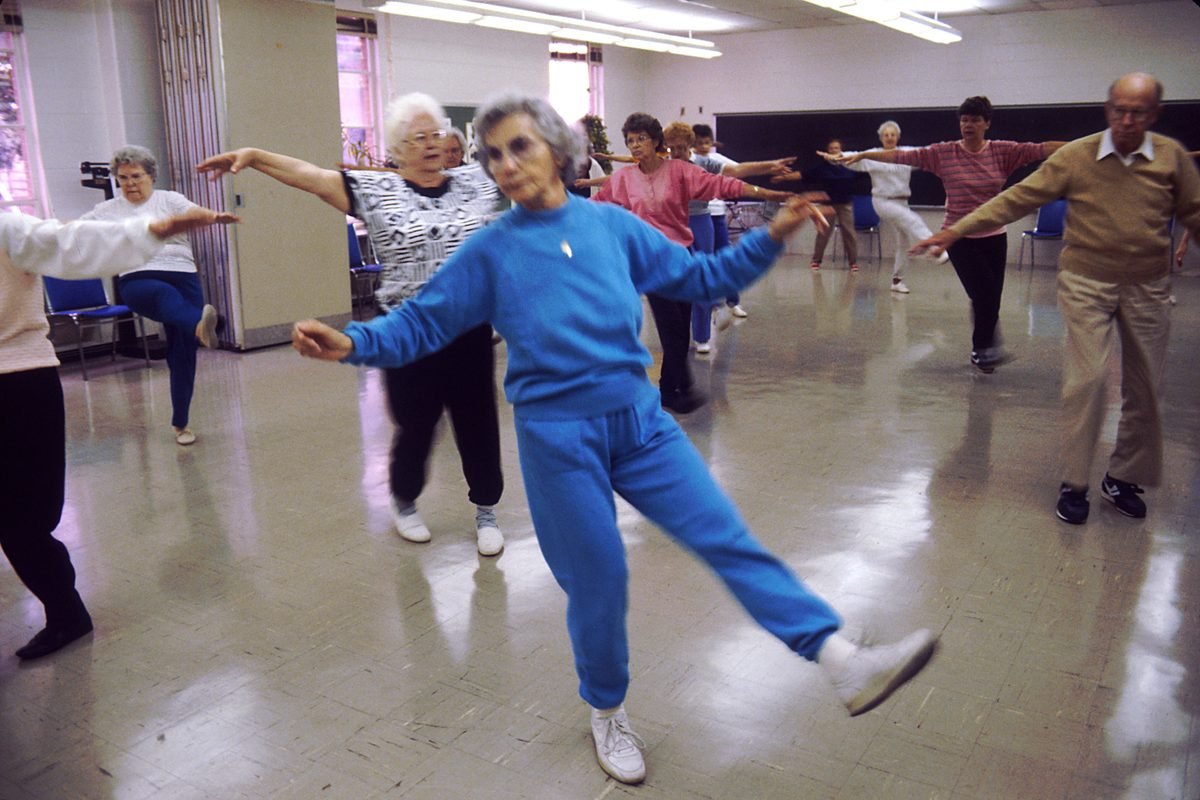
It is a fair question, but this is where the claims need to stay sensible. There is not good evidence that sports massage on its own will make an older person walk faster, get out of a chair more quickly or become less likely to fall.
What the research does suggest is more modest. A 2020 systematic review and meta-analysis brought together 29 randomised studies involving 1,012 people. It found no clear improvement in strength, sprinting, endurance or overall performance after massage. There were small improvements in flexibility and post-exercise soreness, although the results varied considerably between studies.
There is also some early research in older adults. In one small study of 35 healthy people with an average age of about 63, a single 60-minute massage produced short-term improvements in some laboratory measures of balance compared with quiet rest. That is interesting, but it was one small study looking at the immediate effect of one treatment. It did not show that massage improves walking speed, chair-rise performance or long-term fall risk.
So the honest takeaway is this: massage may help someone feel less sore or less restricted, which can make movement feel easier. But lasting improvements in walking, balance and everyday strength are more likely to come from using that opportunity to move — through suitable strength work, balance practice and regular activity. Massage can support the plan; it should not be sold as the whole plan.
4. The red-light list: when to pause before treatment
A proper treatment is not just hands-on work. It starts with screening. Contra-indications are not red tape; they are how a therapist avoids doing the wrong thing to the wrong person on the wrong day.
Avoid massage completely if you have:
- Fever or acute illness, including nausea, vomiting or diarrhoea.
- Infectious disease, including flu-like symptoms or contagious skin conditions.
- Intoxication from alcohol or recreational drugs.
- First trimester of pregnancy, unless assessed and cleared by an appropriately qualified professional.
Ask for medical advice or adapted treatment if you have:
- Cardiovascular conditions, including angina, arrhythmia or suspected thrombosis.
- Osteoporosis, where pressure needs to be lighter and carefully controlled.
- Recent whiplash, fracture, surgery or trauma, especially around the neck, shoulder or spine.
- New unexplained symptoms, such as sudden swelling, severe calf pain, numbness or unexplained weight loss.
This is not about frightening people off. It is about treating properly. The right pressure for a marathon runner after a race is not automatically the right pressure for an older adult with low bone density or someone recovering from illness.
5. Why joint mobilisation is the perfect partner for massage
Massage and mobilisation are often lumped together, but they do different jobs.
- Massage treats the tissue. It can reduce guarding, ease local tightness and improve how comfortable a movement feels.
- Mobilisation trains the joint. It uses controlled range-of-motion work to remind the body how the joint should move and where it is in space.
Think of massage as clearing the path and mobilisation as training the driver. The best results often come from using both: release what is over-tight, then practise the movement you want to keep.
For older adults, that might be ankle circles, gentle calf raises, sit-to-stand work and balance drills at a sensible effort — not max effort, not boot-camp nonsense, just enough to remind the system that movement is safe and useful.
Who this is useful for
You do not need to be injured and you do not need to be an athlete. Sports massage may be worth considering if you are:
- a runner carrying heavy calves, tight hips or post-race soreness;
- a gym-goer who feels constantly stiff between sessions;
- a desk worker with neck, shoulder or lower-back tightness;
- a driver or tradesperson whose body is stuck in the same positions for hours;
- an older adult who wants to maintain mobility, confidence and independence;
- someone returning to exercise after a long break and feeling rusty.
Book sports massage in Sedgley, Dudley & Wolverhampton
If you want practical treatment rather than spa waffle, Runners Route offers 30-minute focused sessions and 60-minute deep tissue sessions from a private home studio in Sedgley, with mobile appointments available by request across Dudley and Wolverhampton.
Check availability and request a bookingSports massage and mobility FAQs
Is sports massage only for runners?
No. The treatment can be adapted for runners, gym-goers, desk workers, drivers, tradespeople, parents and older adults. The “sports” bit means functional, purposeful treatment — not that you have to be training for a race.
Can sports massage prevent falls?
No therapist should promise that. Falls are multi-factorial. But ankle mobility, calf flexibility, balance confidence and lower-limb strength are relevant to fall risk, and sports massage can be one useful part of a wider movement plan.
How often should I book?
It depends on your goal. Some people book a single focused session for a tight area. Others use monthly maintenance during training blocks or when stiffness keeps coming back. Older adults or people with medical conditions should keep treatment conservative and consistent rather than chasing aggressive pressure.
Is deep tissue massage always better?
No. Better treatment is the right pressure for the person in front of you. Sometimes that is deep pressure. Sometimes it is lighter work, more assessment, or more mobility work after the massage.