Blog · 800m Training · Coaching Principles
Keely Hodgkinson’s Training Explained: Why a 40-Minute Long Run Works for an Olympic Champion
Keely Hodgkinson’s low-mileage 800m model is fascinating — but that does not mean every runner should bin the Sunday long run. The lesson is not to copy her training. The lesson is to understand why it works for her.
Quick answer for runners
Keely Hodgkinson can thrive with a 40-minute long run because the 800 metres rewards a very specific blend of speed, power, lactate tolerance and enough aerobic support — not marathon-style mileage. Most runners racing 5K to marathon still need a stronger aerobic base, but they can learn from her use of quality, strength work, cross-training and individualised coaching.
Can You Become Faster Without Running High Mileage?
One of the most common questions I hear from runners is: “Do I really need to run lots of miles to get faster?”
The answer is… it depends.
If you have watched Keely Hodgkinson dominate the world’s best over 800 metres, you may be surprised to learn that her longest run is often just 40 minutes. To many distance runners, that sounds almost unbelievable.
Yet under the guidance of coach Trevor Painter, Hodgkinson has become one of the fastest women in history using a programme built around exceptional speed, carefully targeted intensity and intelligent cross-training.
Before every runner throws away their Sunday long run, however, it is worth understanding one very important point:
There is more than one way to build a champion.
How Does Keely Hodgkinson Train?
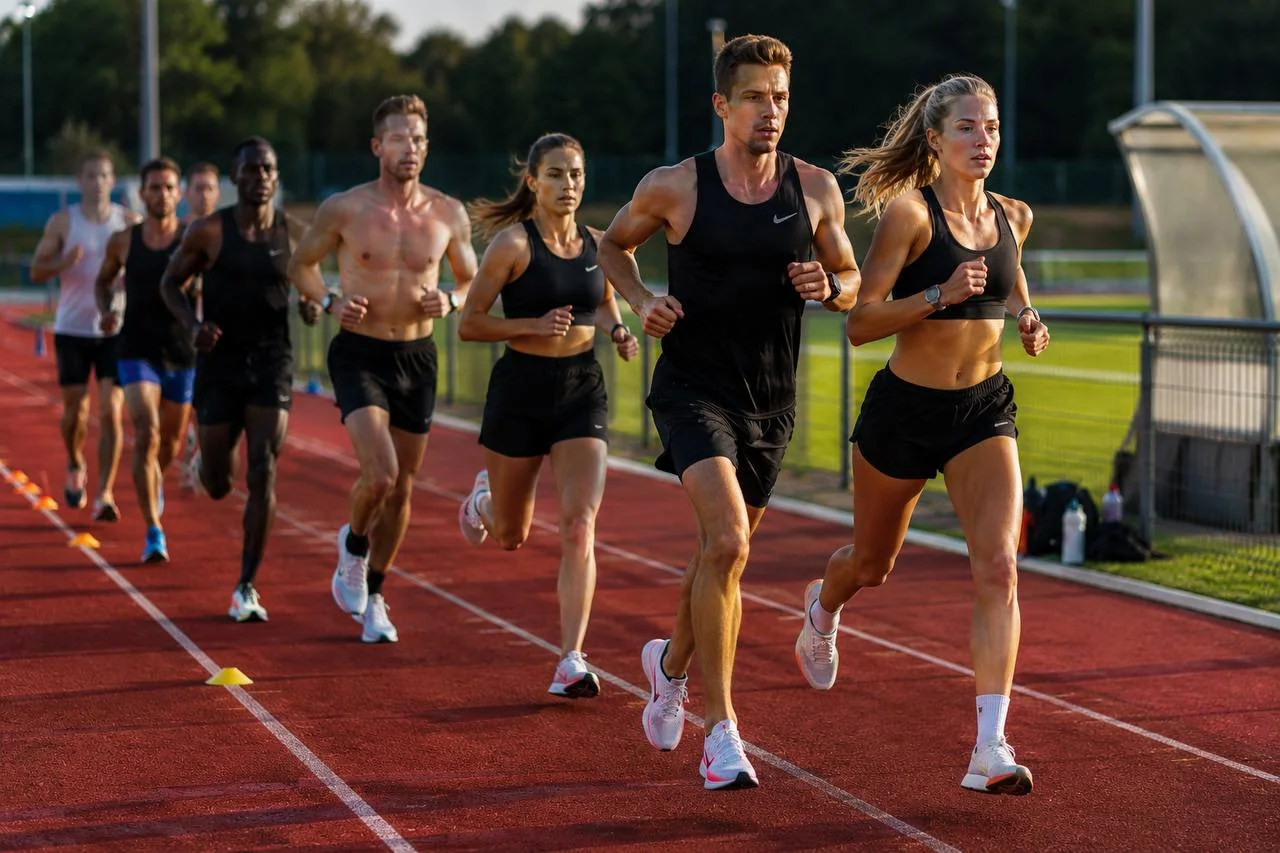
Unlike marathon runners who often spend months developing huge aerobic mileage, Hodgkinson’s programme revolves around preparing her body for two laps run at extraordinary speed.
Many of her hardest sessions are designed to improve her ability to tolerate and clear lactate while maintaining race pace. One of her best-known workouts is:
- 10 × 400 metres
- 64–66 seconds per repetition
- 60 seconds recovery
On paper it looks manageable. In reality, it is brutal.
The short recovery means lactate levels continue to rise while each repetition must still be completed close to race pace. By the final few repetitions the body is operating under enormous physiological stress.
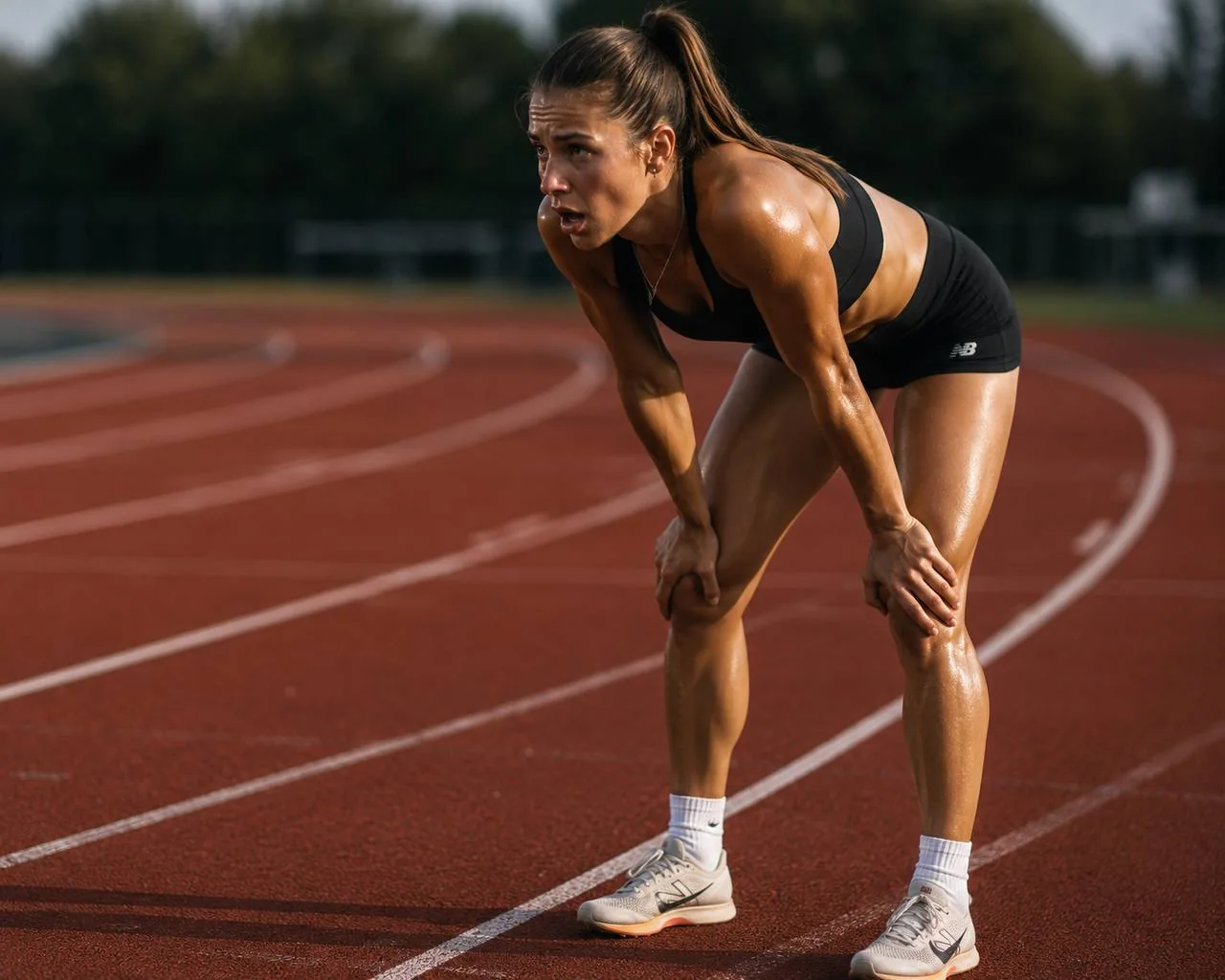
Hodgkinson has openly admitted that sessions like these can leave her physically sick. For most runners, that level of suffering simply is not necessary. For an Olympic 800m champion, it is part of the job.
Hills, Tempo Running and Controlled Suffering
Another trademark session combines explosive hill work with sustained aerobic running. A typical workout might include:
- 6 × 30-second hill sprints
- One-minute jog recovery
- Immediately followed by a six-minute tempo run
- The whole sequence repeated three times
The hills rapidly recruit powerful fast-twitch muscle fibres before the tempo section forces the athlete to continue running efficiently while already carrying significant fatigue.
It is a session that develops strength, speed and resilience simultaneously. While the exact session is not appropriate for every runner, the principle certainly is.
Learning to maintain good running mechanics when tired is a valuable skill whether you are racing 800 metres, 5K, 10K, half marathon or the marathon.
Why Does Keely Hodgkinson Only Run 40 Minutes?
Perhaps the biggest surprise is her approach to the long run. Where many endurance athletes regularly run for 90 minutes or more, Hodgkinson rarely exceeds 40 minutes.
That is not because endurance is unimportant. It is because the demands of the 800 metres are completely different.
Painter believes excessive running mileage can reduce the sharpness needed for world-class speed and increase unnecessary impact on the body.
Instead of accumulating additional running miles, Hodgkinson frequently builds aerobic fitness through cycling and cross-training. Chain-gang rides and sessions on cross-trainers allow her to develop a huge cardiovascular engine while reducing the repetitive impact associated with running.
For an athlete whose success depends on maintaining explosive speed, that is an intelligent compromise.
The Norwegian Model Is Not the Only Model
In recent years many runners have become fascinated by the high-volume approach used by Jakob Ingebrigtsen and the Norwegian training system. This philosophy emphasises large aerobic volume and carefully controlled threshold training. It has produced remarkable results.
Painter’s approach sits at almost the opposite end of the spectrum. Rather than prioritising huge mileage, he focuses on speed development, race-specific intensity and protecting the athlete’s natural explosiveness.
Here is the interesting part: both systems work.
That should remind every runner to be cautious about declaring any single training philosophy as “the best”.
There Is More Than One Way to Build a Champion
History shows us that successful coaches have reached the top using very different methods.
Arthur Lydiard transformed distance running through massive aerobic development and carefully structured periodisation. Percy Cerutty built champions using hills, natural strength and rugged endurance. Trevor Painter has produced an Olympic champion through relatively modest mileage combined with exceptional quality.
Different philosophies. Different athletes. World-class results.
The lesson is not that one coach was right and another was wrong. The lesson is that coaching is about matching the programme to the athlete.
Why My Coaching Philosophy Is Different
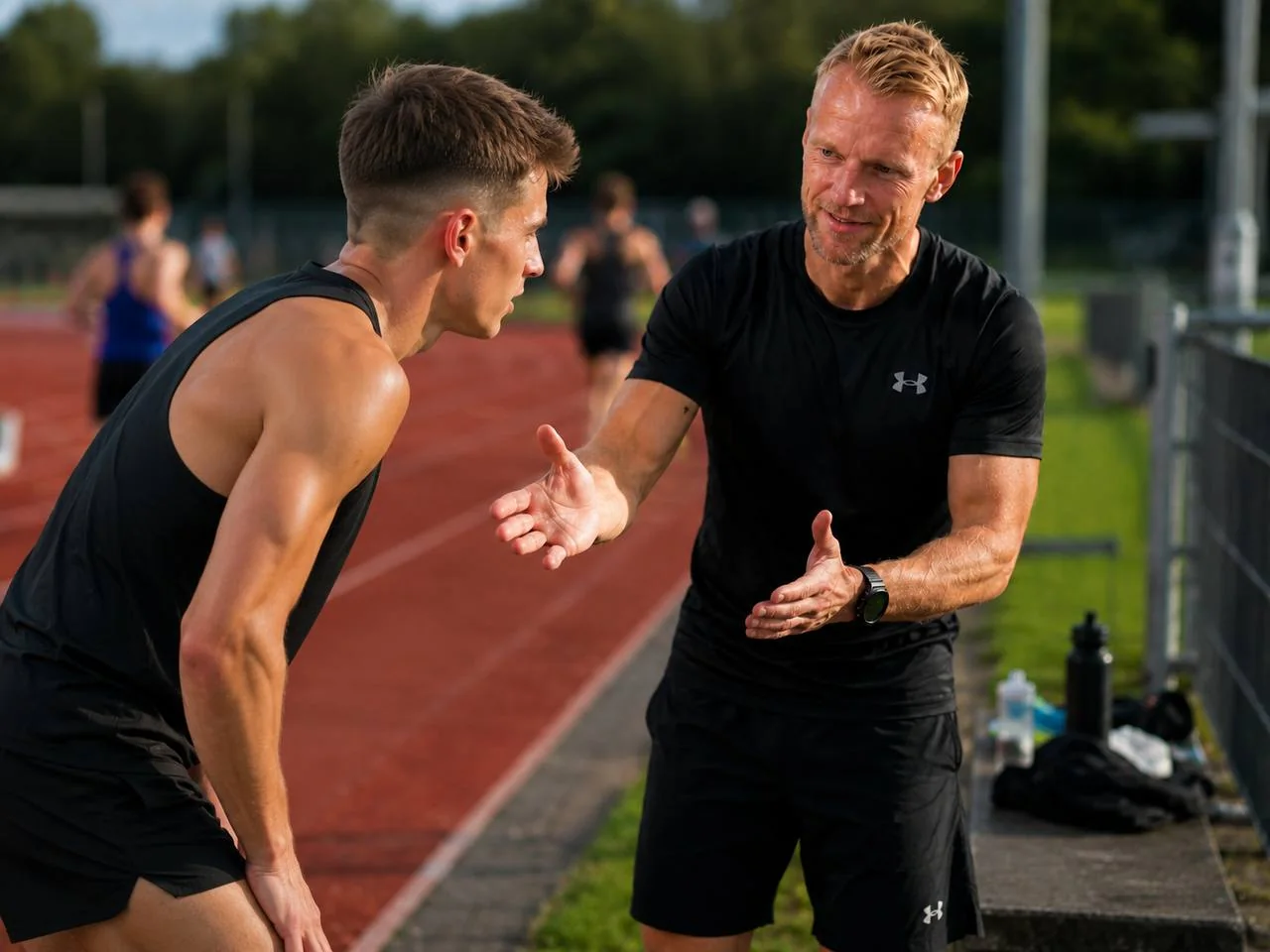
As someone who competed internationally over the marathon and now coaches runners from beginners to experienced club athletes, my own philosophy naturally leans much more towards developing a strong aerobic engine.
That is because most runners I work with are not preparing for two laps of a track. They are training for 5Ks, 10Ks, half marathons and marathons.
For those events, I firmly believe aerobic endurance remains the foundation of success. A well-developed aerobic system allows runners to recover faster, train more consistently, race stronger and tolerate harder sessions when they matter most.
That does not mean endless slow miles. It means building durability first. Developing running economy. Including hill sprints for strength. Adding faster work progressively. And introducing race-specific sessions when the athlete is ready.
My own coaching has been heavily influenced by coaches such as Arthur Lydiard and Percy Cerutty, but perhaps the biggest lesson I have learned over the years is this:
Never become dogmatic.
Every athlete is different. Some thrive on higher mileage. Others respond better to quality. Some recover exceptionally well. Others break down if intensity is introduced too quickly.
The best programme is not copied from the internet. It is designed around the individual standing in front of you.
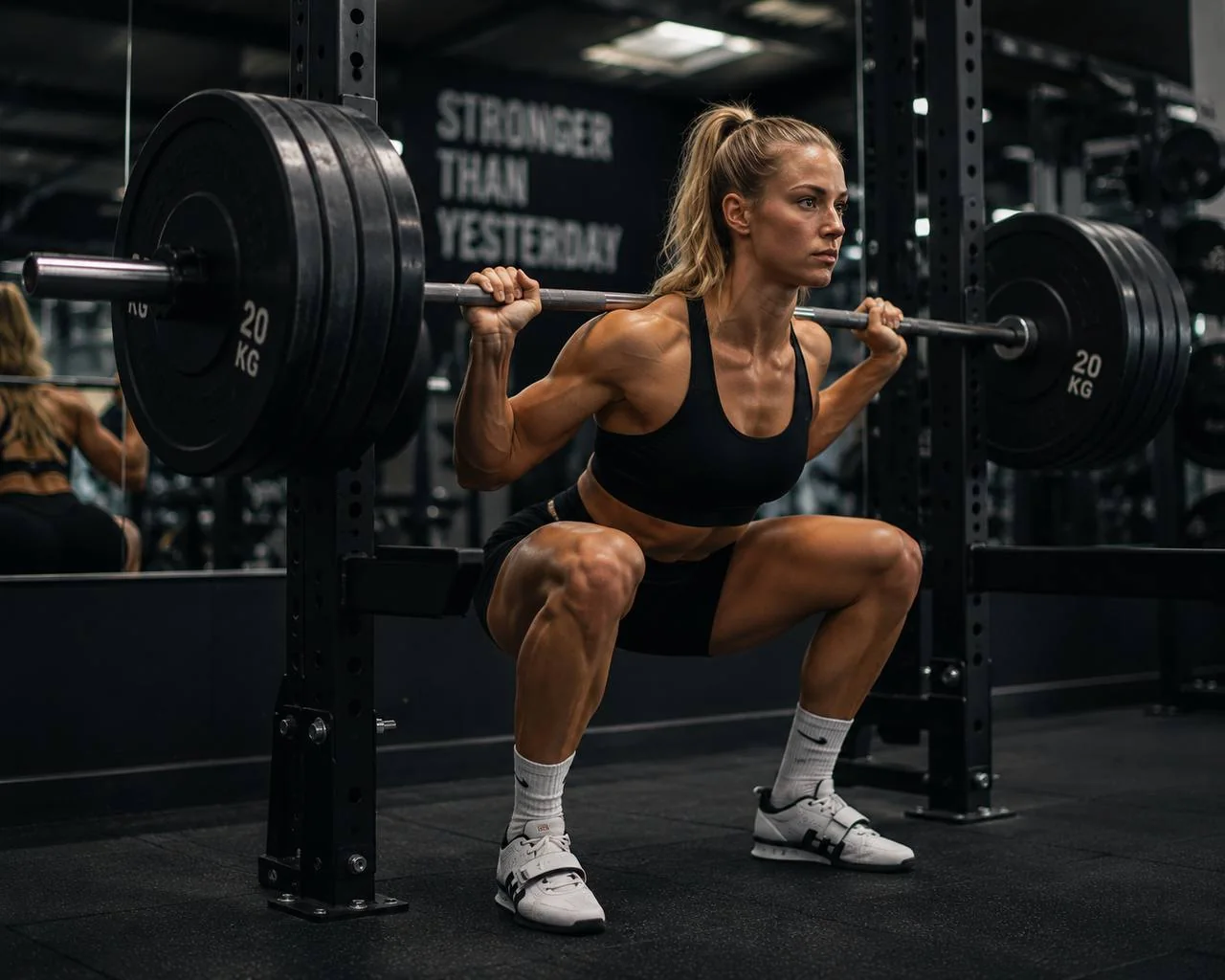
Strength Training Matters
Another area where Hodgkinson excels is her commitment to strength work. Twice each week she performs exercises designed specifically to improve running performance rather than simply building muscle.
Typical exercises include:
- Power cleans
- Half squats
- Hip thrusts
- Weighted pull-ups
- Single-leg box jumps
- Landmine presses
- Back extensions
These exercises help maintain posture, improve force production and preserve running mechanics when fatigue is at its highest.
Whether you are chasing an Olympic medal or your first sub-20-minute 5K, becoming stronger is almost always time well spent.
So… Should You Copy Keely Hodgkinson’s Training?
Probably not.
Should you learn from it? Absolutely.
One of the biggest mistakes recreational runners make is copying elite programmes without understanding why elite athletes train the way they do.
Olympic 800m runners, elite marathoners and club runners all have different physiological demands, different lifestyles and different recovery capacities. Training should always reflect that.
The goal is not to train like Keely Hodgkinson. The goal is to train like the best version of yourself.
Final Thoughts
Keely Hodgkinson and Trevor Painter have shown the athletics world that extraordinary success does not always require extraordinary mileage. Their approach is bold, intelligent and perfectly suited to producing one of the greatest 800m runners of her generation.
Equally, history reminds us that countless champions have been built through completely different methods.
As coaches, we should not fall into the trap of believing there is only one route to success. Great coaching is not about defending a particular training system. It is about understanding the athlete, applying sound principles and building a programme around their strengths, weaknesses, goals and life outside running.
That is why, at Runners Route, every training plan starts with the runner — not the spreadsheet.
Because in running, as in life, there is more than one way to skin a cat.
Keely Hodgkinson Training FAQs
Why does Keely Hodgkinson only run around 40 minutes for her long run?
Because she is an 800m runner, not a marathon runner. Her training needs enough endurance to support two fast laps, but it must also protect speed, power, freshness and mechanical sharpness.
Should club runners copy Keely Hodgkinson’s training?
Not directly. Club runners can learn from her specificity, strength work and cross-training, but most runners training for 5K to marathon still need a bigger aerobic foundation than an elite 800m specialist.
Is high mileage the only way to get faster?
No. Mileage is useful, but it is not magic. The right balance depends on the athlete, event, injury history, recovery capacity and lifestyle.
What is the biggest lesson from Keely Hodgkinson’s training?
The biggest lesson is individualisation. Elite performance comes from matching the training model to the athlete, not forcing every runner into the same system.
Want a plan built around you, not copied from an elite athlete?
If you are training for 5K, 10K, half marathon or marathon, the clever bit is knowing how much mileage, intensity, recovery and strength work your body can actually absorb. That is where proper coaching matters.
If your legs are constantly carrying fatigue, tightness or niggles, the sports massage side of Runners Route can also support your training block and help you stay consistent.